This story is part one of a two-part series on elder sponsorship. Coming soon: Explore how elders are using goal setting to overcome poverty and live lives full of purpose in part two, “Elder sponsorship: discovering purpose through Poverty Stoplight,” coming soon.
In the quiet hours just after dawn across communities in the Philippines, the rhythmic swooshing of the walis tingting (Tagalog for stick broom) signals the start of a new day.
With each pass of the broom across the ground, local street sweepers do more than just clear away litter and debris. They diligently help create safer, healthier, cleaner neighborhoods for families to call home.
For Rosita, being a street sweeper is a noble role, a source of pride and one that, at the age of 75, continues to give her a sense of purpose.
She works sometimes seven days a week cleaning the streets in her community from 8 a.m. until noon, her only tools a walis tingting and a dustpan.
“It keeps me active and energized,” said Rosita, who earns 800 pesos, or $14.54 a month sweeping streets. “Despite having limited resources, I continue to do my best to keep our community clean and organized.”
Though street sweeping is a physically demanding job, Rosita isn’t done working when she “clocks out” for the day. She returns home to make “banana cue,” fried bananas coated in caramelized sugar, that she then sells door-to-door.
In this way, Rosita, who lives alone with only her dog for company, can provide for her daily needs. But it’s more than that for her.
Hard work is all she’s ever known, and she believes she has so much more to give.
“I pray to God for longer life [because] I still want to help my community,” she said.
Unbound’s elder sponsorship program helps older adults like Rosita continue doing the things that bring them joy, while also living their lives with dignity, purpose and a sense of belonging as they work toward a path out of poverty.
October 01, 2026 | Elder Sponsorship
Elder sponsorship: discovering purpose through connection
Elders overcome loneliness with belonging and strengthened caregiver support networks
By Kati Burns Mallows
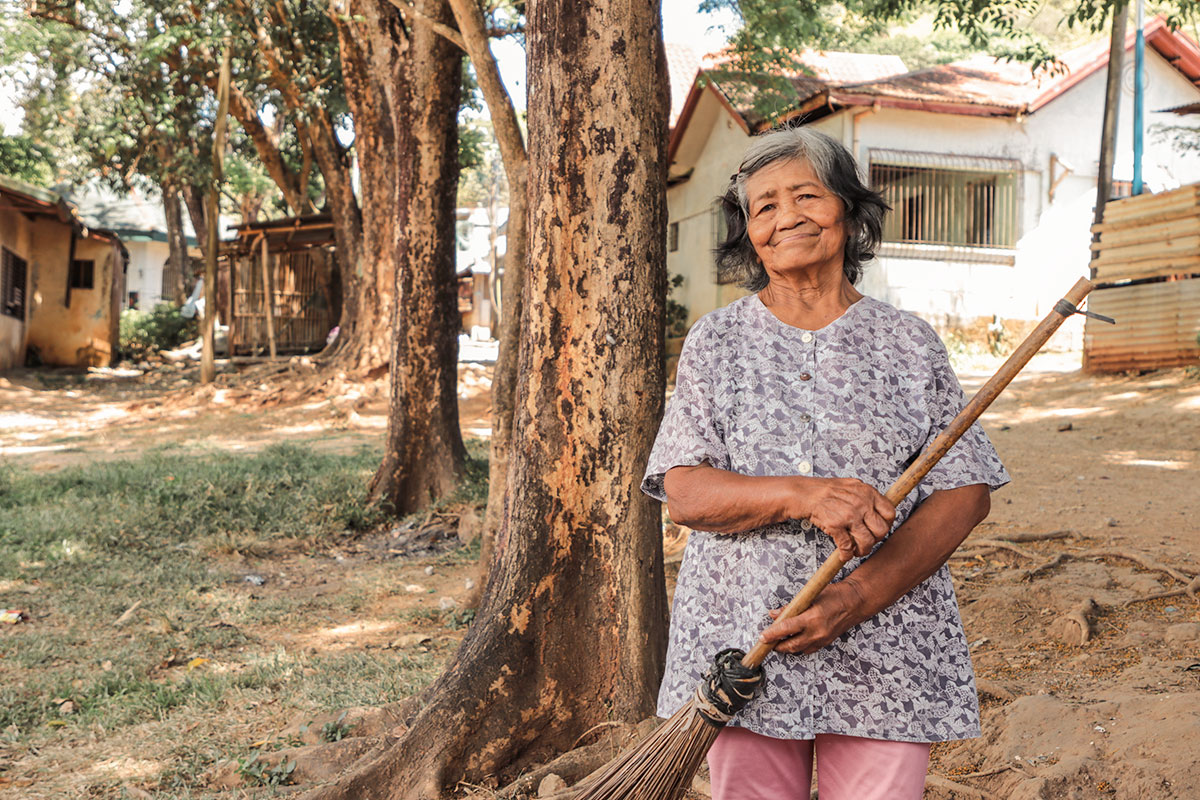
Rosita, 75, pictured with her walis tingting (stick broom), works as a street sweeper in her community in the Philippines, sweeping leaves, trash and other debris from paths.
A sponsorship program tailored for elders
For elders living in poverty, advancing age often introduces a new set of challenges, including isolation, loneliness, barriers to healthcare, declining physical health, social exclusion and age discrimination.
Unbound is the only major U.S.-based sponsorship organization that offers the opportunity for individuals to directly support elders in developing countries in overcoming poverty through personalized programming, psycho-social support networks and connection.
With over 30,000 individuals in Unbound’s elder sponsorship program, elders age with honor and dignity. Sponsoring an elder (defined as someone age 60 and above) for just $45 a month provides them with direct cash assistance for needs like nutrition, medical care and improved housing.
Through Unbound’s Goal Orientation powered by Poverty Stoplight, they set and achieve goals for overcoming poverty with guidance and support from Unbound staff. They also have exclusive access to elder community groups where they can enjoy camaraderie and regular activities.
In sponsoring elders, [you] give them the tools to create a space for continuing to develop themselves.
— Malou Navio, Unbound Regional Project Director
Unbound Regional Project Director Malou Navio, who has worked with individuals and families in the organization’s program for over 30 years, said when elders are healthy and happy, they and their caregivers can be productive.
“In sponsoring elders, [you] give them the tools to create a space for continuing to develop themselves,” Navio said. “Even though they are in their later life, elders can still do things in exciting and rewarding ways.”
Every region of the world is aging.
It’s anticipated that by 2030, one in five people will be aged 65 or over, and that number will only continue to grow as people live longer and have fewer children. By 2050, an estimated 80% of older people will live in low- and middle-income countries, according to the World Health Organization.
One of Unbound’s five strategic pillars of impact, “Promote Well-being of All Ages,” is already working to address the growing need for more services tailored to an aging population by seeking to expand older adult programming to include 50,000 more individuals worldwide by 2030 and fund emerging interventions for caregivers to help improve health and well-being outcomes.
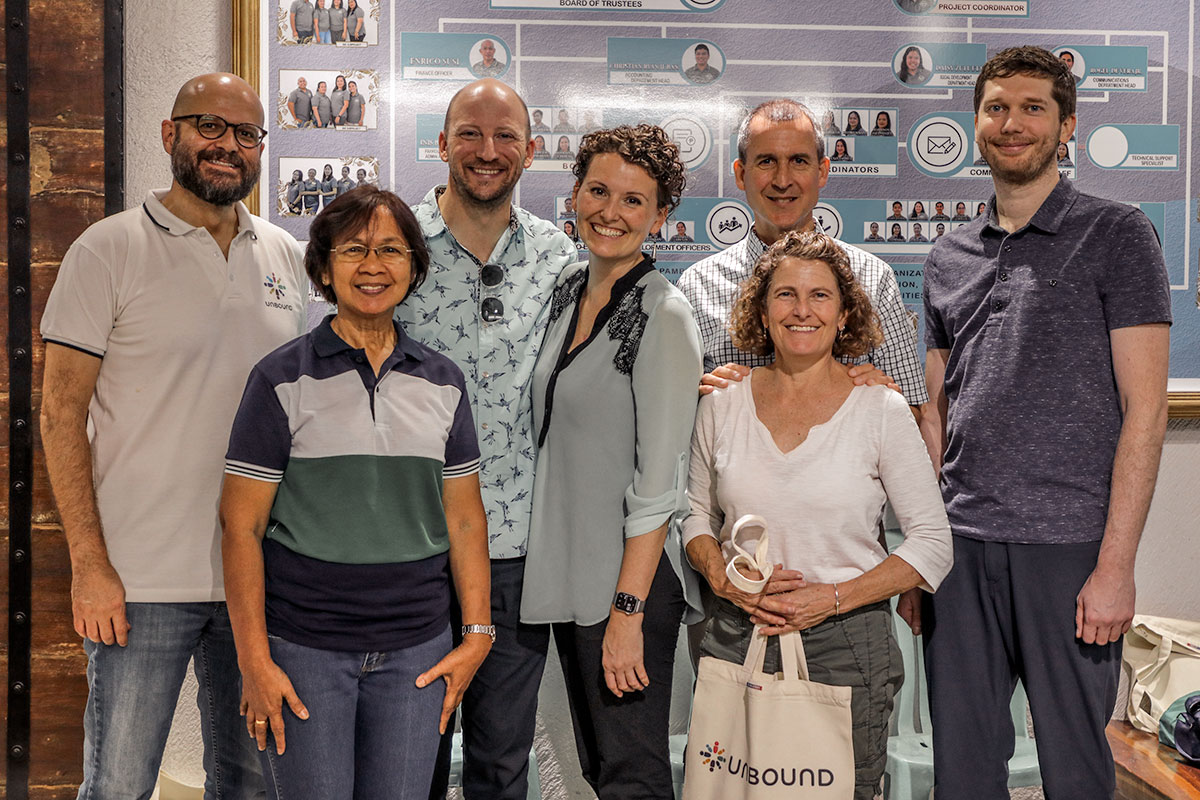
Malou Navio (front row, left), Unbound regional project director, and Dan Pearson (back row, left), Unbound’s chief international programs officer, are pictured with doctors, educators and other international development experts from Chronic Care International in 2024, not long after the launch of a partnership between the two organizations for a noncommunicable diseases pilot targeting elders with diabetes in Unbound’s Quezon program.
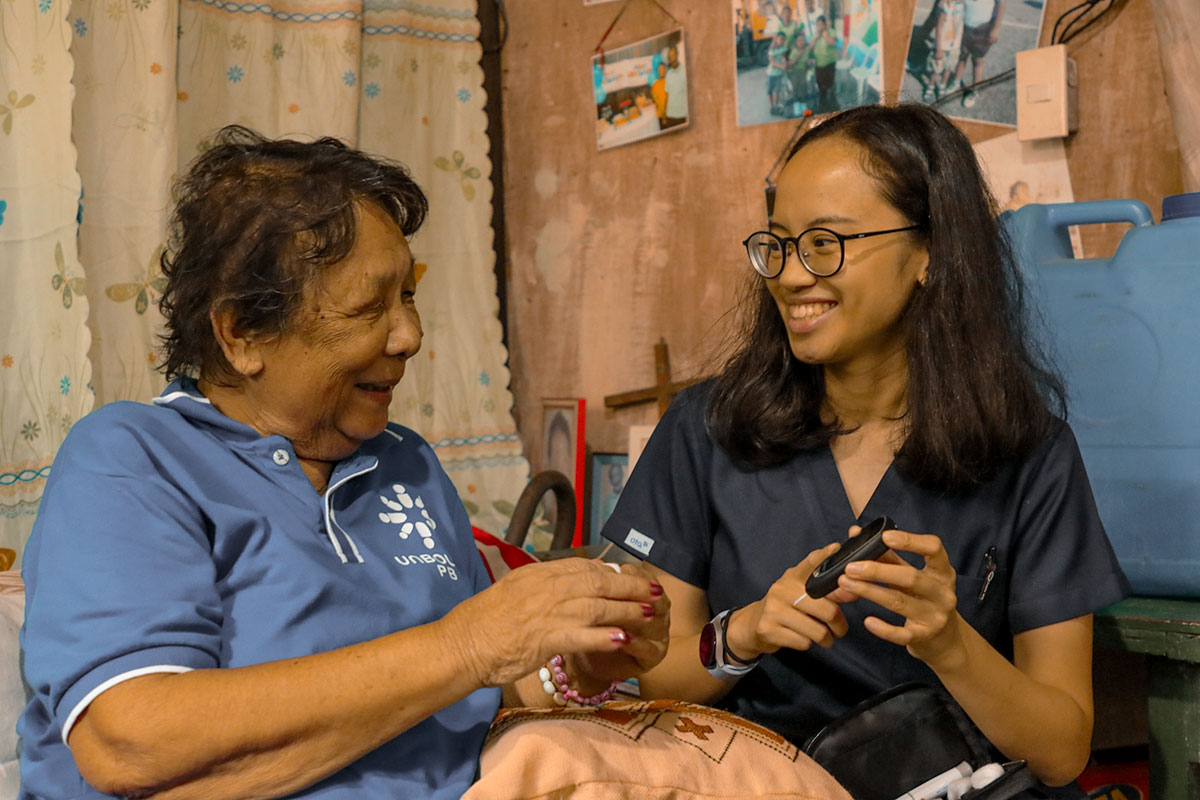
Sponsored elder Rogelia (left) has a health checkup with Dr. Isabella Bunag as part of the pilot program for elders living with diabetes in the Philippines. In the last three years, 92% of sponsored elders participating in the pilot have gotten their A1C levels under control.
Combating elder isolation, promoting health and well-being
Rosita dropped out of high school after completing her first year because she wanted to help her parents support the education of her five younger sisters.
She worked as a housekeeper and contributed most of her earnings to her siblings’ education, eventually seeing them all graduate high school.
Rosita still lives in the home where they all grew up, but her parents passed away several years ago, and her other siblings moved away to raise families of their own.
Rosita made the choice to never marry or have children and chose to live alone as she didn’t want to “become an additional burden” to her siblings and their families by living with them.
“I was afraid to get married because life is so hard,” she said. “So, I focused myself on work.”
Living alone in her family home often impacted Rosita’s happiness.
“At first, I felt very sad and lonely, to the point that tears would quietly fall from my eyes,” she said. “It was not easy, but I worked hard to earn money and support myself.”
Rosita has been sponsored through Unbound for four years and typically uses her sponsorship funds to purchase her food and other necessities. But the benefit that has made the deepest impact on her is participating in her local sponsored elder group.
Sponsored elders gather for crafts, seminars, exercise and other activities (sometimes hosted by Unbound scholarship recipients) to connect with one another and build friendships.
Sometimes staff will host holiday parties for elders or take the group on a trip for recreation or swimming.
“Whenever I am with my fellow elderly, I feel like I am traveling back to my younger years,” Rosita said. “We become like children again … we talk a lot and enjoy eating and laughing together.”
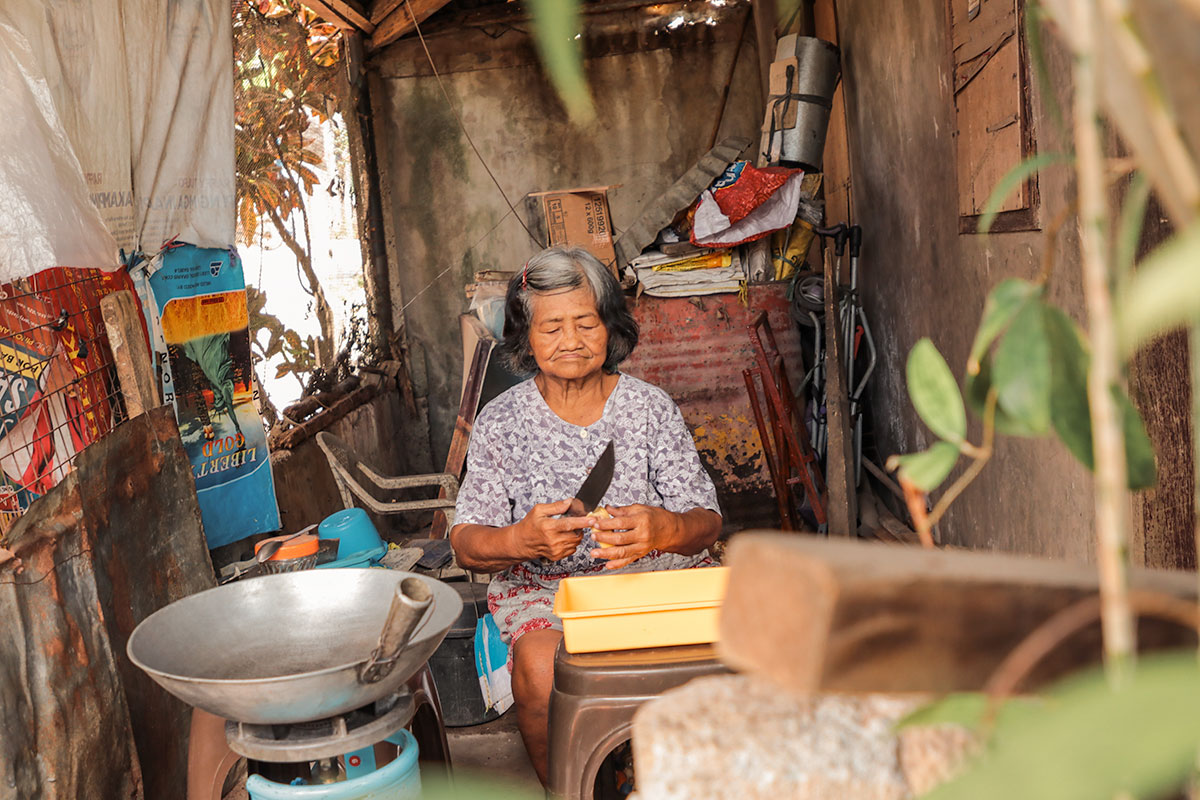
When Rosita’s street-sweeping duties are done for the day, she returns home to make a local delicacy called “banana cue,” fried bananas in caramelized sugar, which she delivers to her customers.
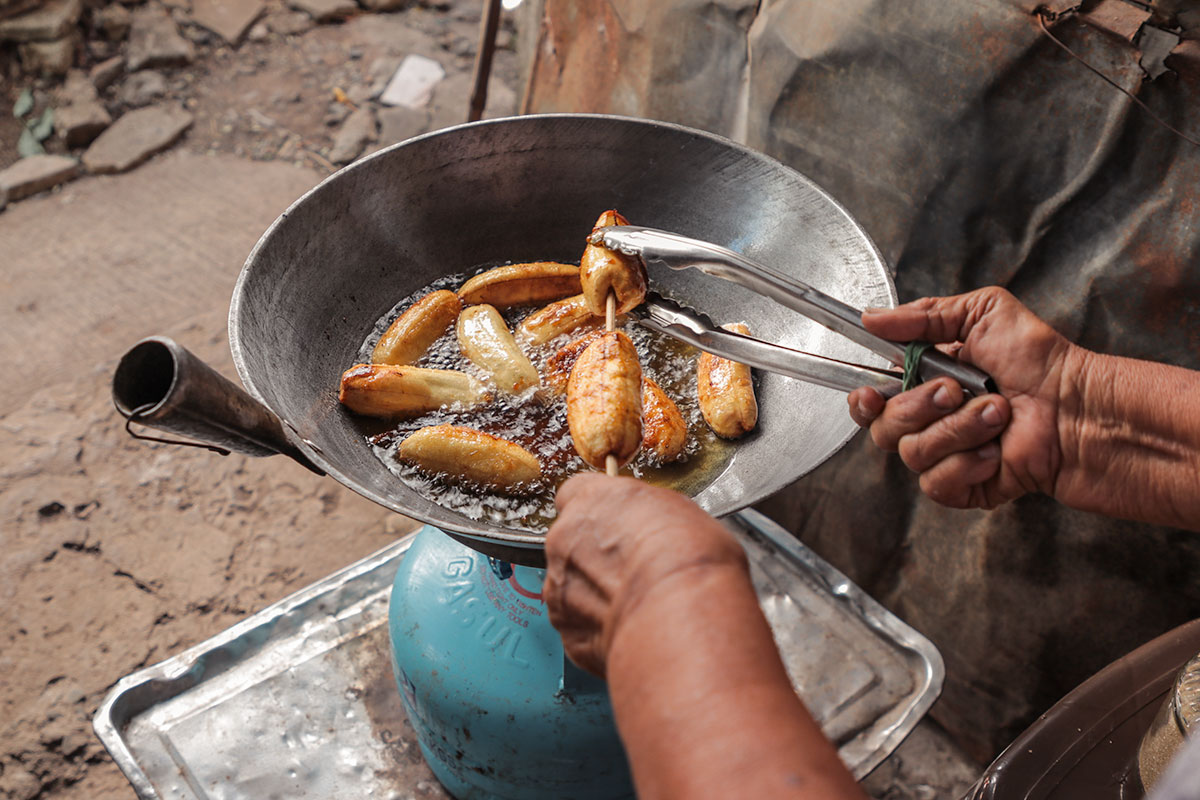
Rosita cooks the banana cue over her small portable stove. She sells the delicacy for 10 pesos per stick (18 cents) to her neighbors.
When surveyed, the most frequently cited challenges sponsored elders face include adjusting to the increase in health and medical needs as they age and finding ways to deal with declining mental health spurred by isolation and neglect.
Psychosocial and mental health support strengthens emotional well-being, healthy coping habits and social connection. For elders living in poverty, psychosocial and mental health support is important because it also strengthens their self-reliance, self-esteem and self-acceptance, Navio said.
In 2025, the first full year of Unbound’s “Promoting Health and Well-being of All Ages” pillar in action across Africa, Asia and Latin America, over 700 Unbound solidarity groups offered learning and mutual support opportunities for older adults and their caregivers.
According to Navio, community-based mental health partnerships were formed with local health departments and other organizations that offer mental health approaches and models, and social protection and access to health care increased across all Unbound programs.
For example, in the Philippines, over 1,500 sponsored elders were able to obtain access to a healthcare plan for the first time, while over 300 elders attended mental health seminars or received psychosocial support and over 330 received financial assistance to help them recover from a health-related crisis.
In Bolivia, over 1,500 elders actively participated in program activities, 60% with a caregiver at their side.
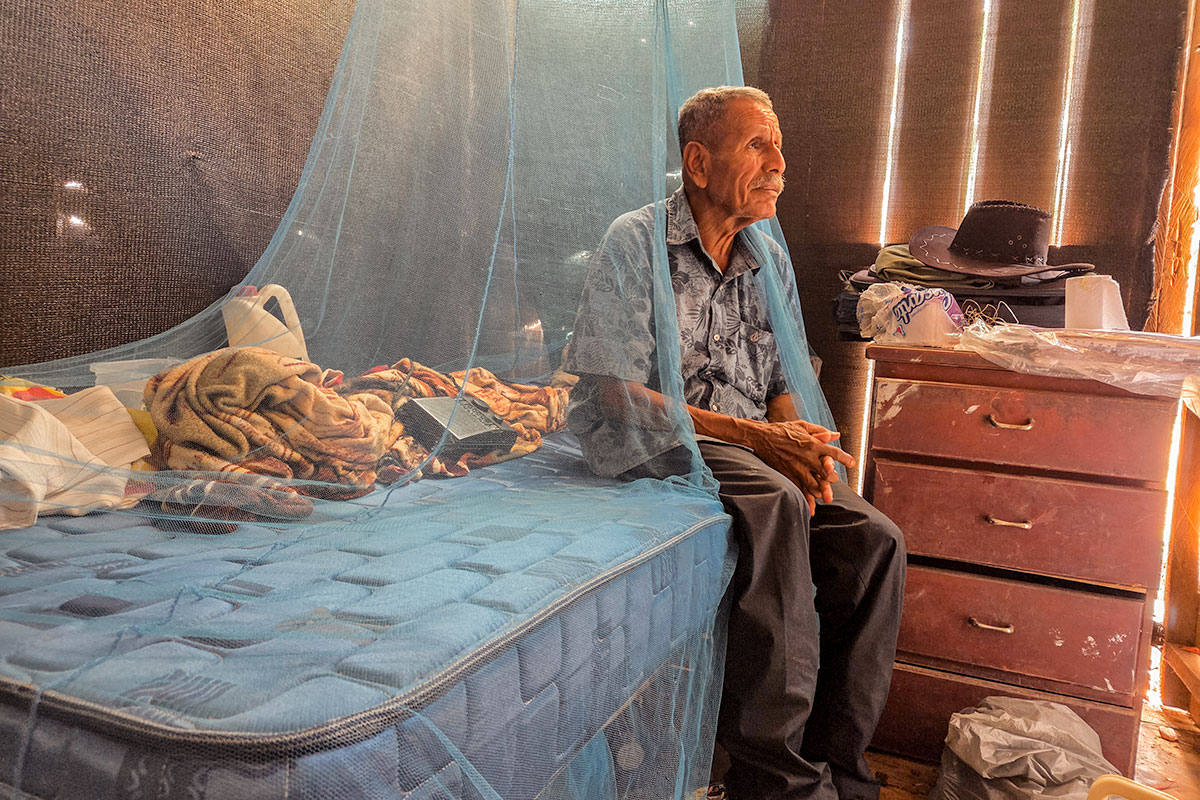
Jose, 72, is a scrap collector in Costa Rica who lives alone. Thanks to Unbound support, he was able to acquire essential identification documents that now allow him to access healthcare and have regular medical checkups. Local teams also helped him fortify his home from the elements and provided him with a mattress.
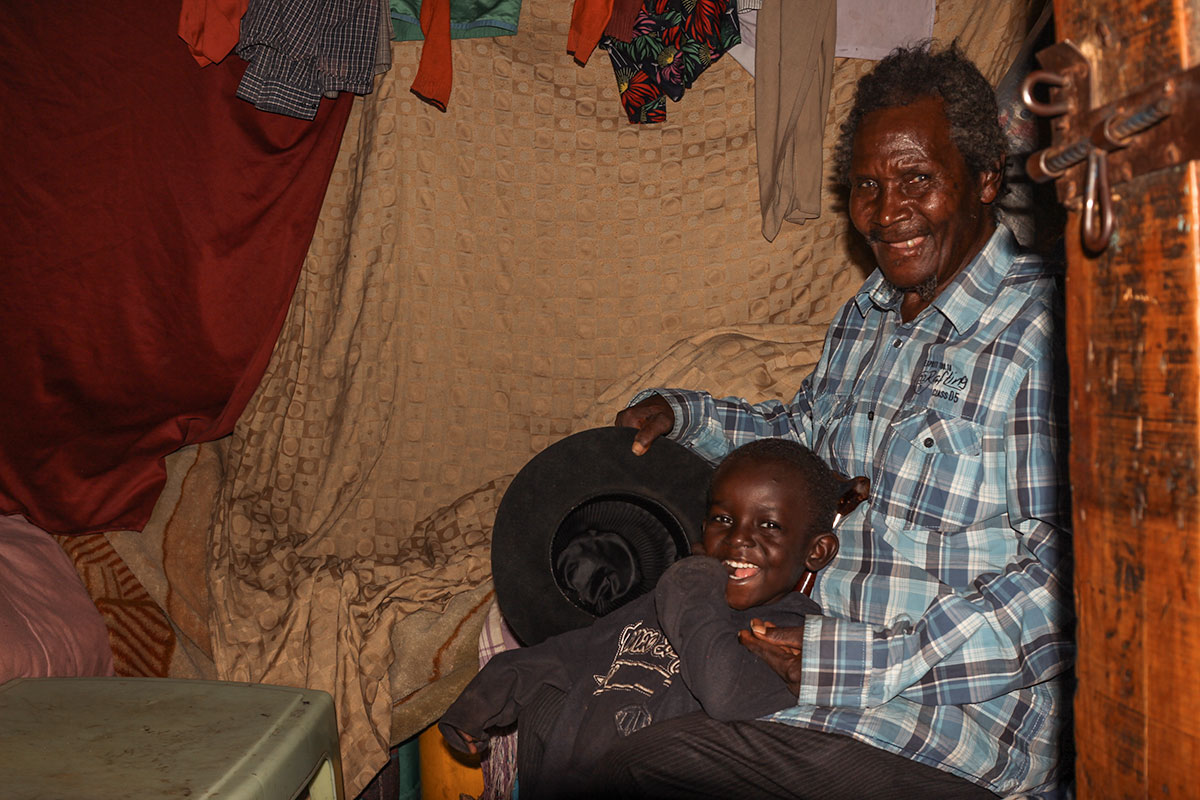
When Patrick, 79, became sick and was hospitalized, his sponsorship benefits helped his wife continue to pay rent and feed their eight grandchildren until he could take up his woodcarving business again in Kenya.
Local Unbound staff regularly pay home visits to elders to check in with them on their goals, their health and to encourage participation in the community. In some programs, youth who are Unbound scholarship recipients incorporate special activities for elders as part of their service-learning plan.
For example, in Unbound’s Cuernavaca program in Mexico, scholars organize and facilitate recreational and cognitive activities and crafts and pay home visits to elders who are unable to attend, delivering food supplies or letters from their sponsors.
Elders serve in roles as “elder leaders” and pay home visits to other elders in their community who are sick or going through a difficult time. Rosita is one such elder leader in her community.
“I attend to their needs when they are sick,” she said of her fellow elders. “I visit them and talk to them. Gathering gives us the opportunity to connect with one another and build friendship.”
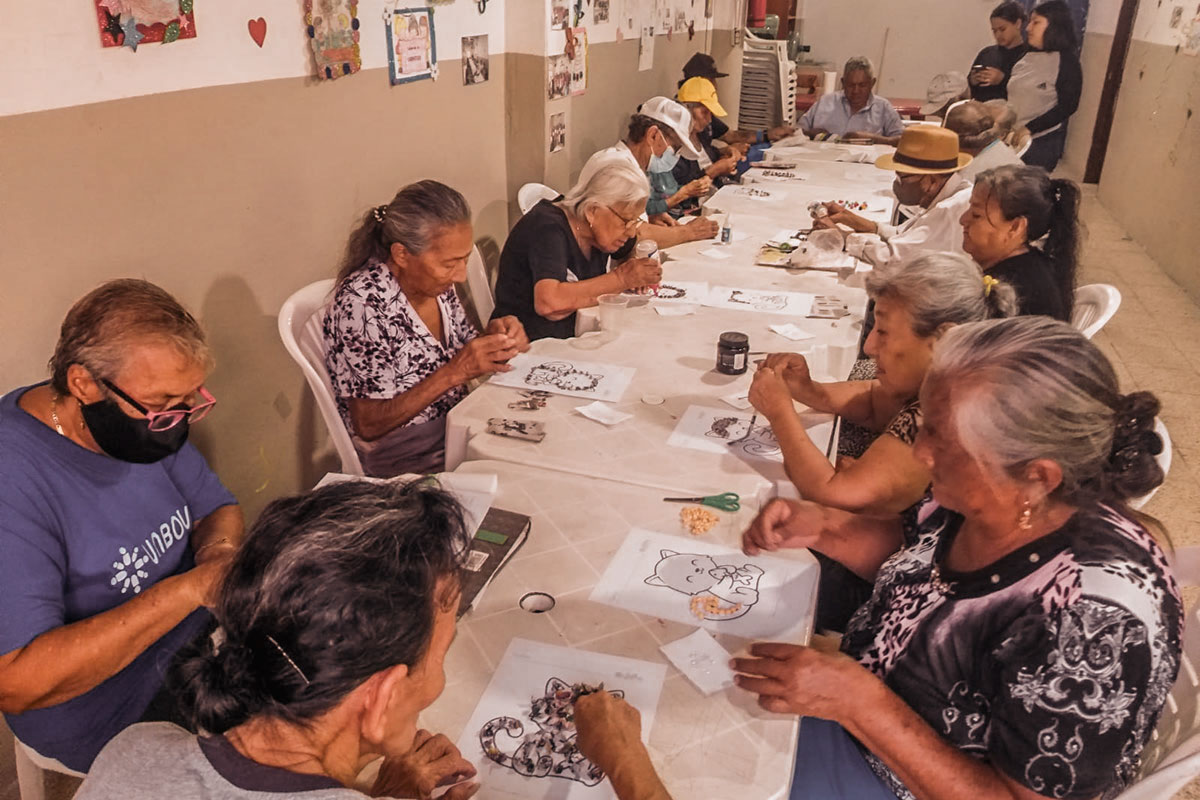
A group of sponsored elders in Ecuador participate in a crafts workshop. Providing community and connection for older adults helps to address not only physical health, but also emotional health, dignity and social participation.
Expanding the role of the trusted caregiver
Rosita is known as Lola Rosi (Grandmother Rosi) by children in her neighborhood, namely Marie’s children.
Though Rosita is generations older, she calls Marie her best friend whom she “depends on in times of sadness.”
As her next-door neighbor, Marie is the perfect caregiver for Rosita, visiting every day and bringing Rosita meals when she cooks for her own family.
“[Rosita] is kind, cheerful and a good joker,” Marie said. “She’s like my second mother. She’s open to talk about her life with me.”
Trusted caregivers play an important role in the overall health and well-being of elders, especially those living in poverty without strong family support. They can help preserve health, independence, dignity and quality of life, but Navio said caregivers must learn how to manage their own self-care alongside the responsibilities that come with caring for an elder.
Life may be hard, but [God] has never left me.
— Rosita, Sponsored elder, Philippines
Many Unbound elder groups worldwide have begun integrating caregivers into the group format and adding seminars that cover topics designed to help with understanding the aging process, such as healthy eating planning, addressing compassion fatigue and creating safe home spaces for elders.
According to Navio, Unbound programs globally are working on other innovative strategies that improve the quality of support networks for elders, many of which will welcome their caregivers to participate alongside them.
For example, some programs in Latina America and Asia are seeking to pilot “age-friendly communities” based on the World Health Organization framework, which offers guidance on structuring cities, communities and neighborhoods to be more livable spaces for older adults. In Meru, Kenya, a new partnership between Unbound and Friendship Bench, a community-driven mental health intervention program, will eventually train “local grandmothers” to deliver free talk therapy from community benches.
Other opportunities include webinars that teach caregivers how to better understand elders with dementia and how to be an advocate for elder protection from abuse and agism, scaling up the community-based diabetes program in the Philippines, and responding to elders in need of assistive devices such as hearing aids or wheelchairs to help them participate more fully in society.
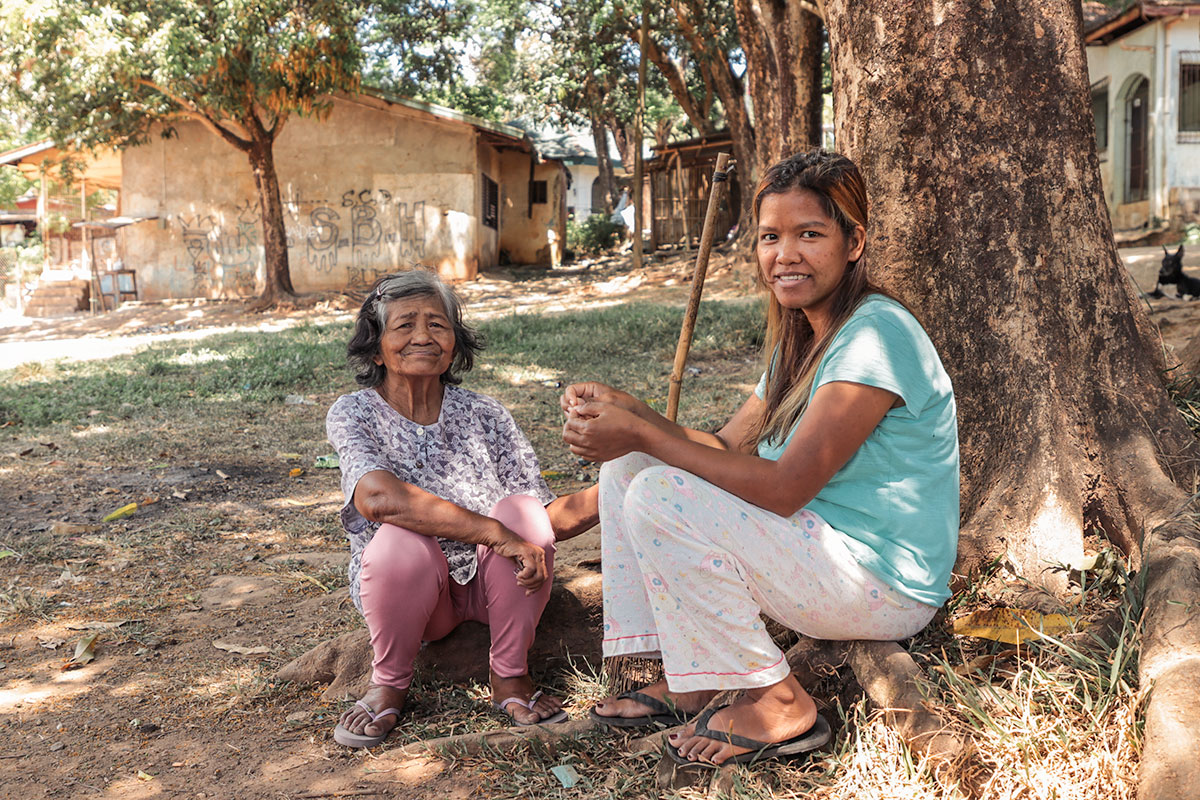
Rosita (left) never feels lonely now living near her neighbor Marie, whom she calls her “best friend.” They visit each other several times a day to talk about life, and Marie calls Rosita Lola Rosi (Lola means grandmother).
Elder sponsorship brings hope and inspiration
Rosita values many things, but there are three in particular that bring her daily joy — faith, friends and cleanliness.
She said her sponsorship funds, placed directly in her hands, help her to budget based on what is most important to her. With her basic needs provided for and access to regular medical checkups that show she’s healthy and happy, she can now focus on the things in life that bring her joy.
She uses street sweeping as her daily exercise while enjoying knowing she’s contributing to improving her community. She attends church every weekend and trades letters regularly with her Unbound sponsor.
She refers to her sponsor by her first name, Shelly, as if they are lifelong friends, though they’ve only been communicating for four years. She said her sponsor and Unbound “serve as instruments of God, reaching out to those in need.”
“Life may be hard, but [God] has never left me,” Rosita said. “May you continue to bring hope and inspiration to people living in poverty.”
And for Rosita’s best friend, Marie, there’s one wish she has for the elder she fondly calls “grandmother.”
“I pray that God will give you longer life so that you can still live your life to the fullest,” Marie said.
Help an older adult in poverty continue to live their life with hope and purpose; sponsor an elder through Unbound today.
This story is part one of a two-part series on elder sponsorship. Explore how elders are using goal setting to help overcome poverty and live lives full of purpose in part two, “Elder sponsorship: discovering purpose through Poverty Stoplight,” coming soon.
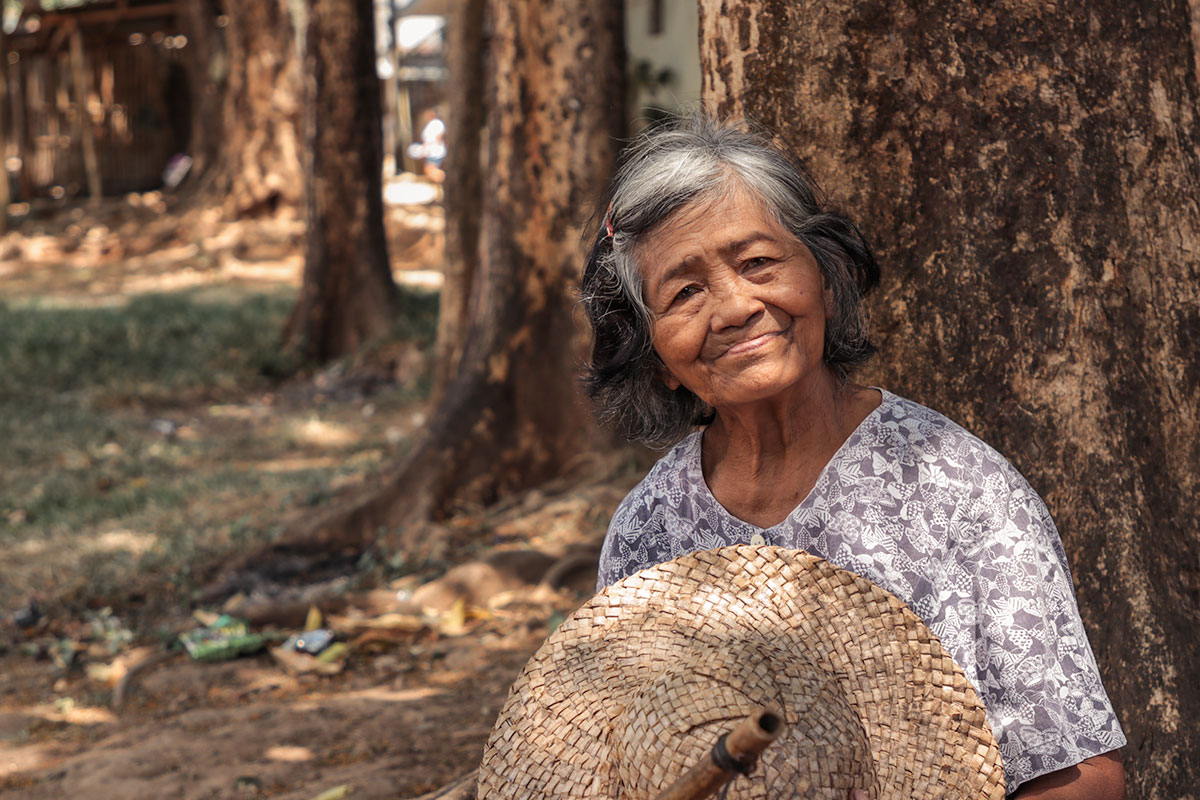
With the help of elder sponsorship, Rosita is able to age with honor and dignity, and is able to continue doing the things that bring her joy.
Unbound regional reporters Tristan John Cabrera in Asia and Nickson Ateku in Africa, along with staff reports in Latin America contributed information and photos for this story.